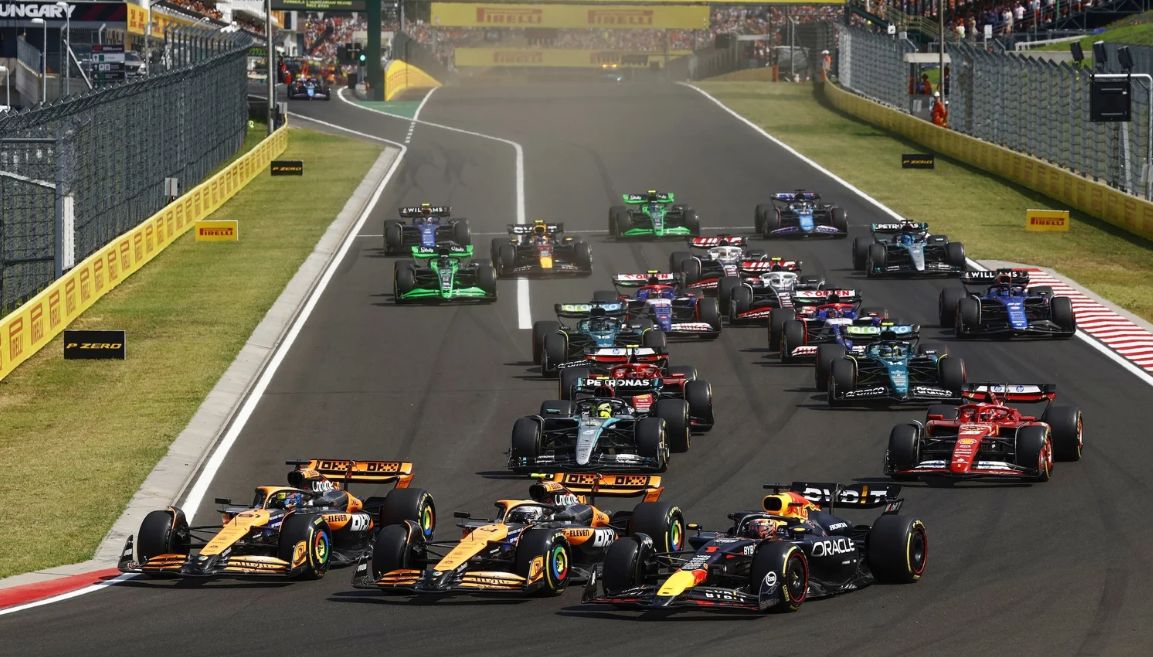
The Hungarian Grand Prix combines intense Formula 1 racing with one of Europe’s most visitor‑friendly capitals, making it a standout event for fans planning a long weekend or full vacation in Central Europe. Compact, atmospheric Budapest and the nearby Hungaroring circuit together offer a mix of sport, culture, nightlife, and good value that is hard to match elsewhere on the F1 calendar.
What Makes the Hungary GP Special
The Hungarian Grand Prix is held at the Hungaroring, a permanent race track about 20 km northeast of Budapest, near the town of Mogyoród. The circuit is 4.381 km long, with 14 corners and relatively few straights, which gives races a distinct, twisty character.
Because the track is narrow and technical, driver skill, tyre management, and strategy play an outsized role compared with high‑speed power circuits. The event usually runs in mid‑summer, so hot weather adds another layer of challenge for teams and fans alike. It has been a regular stop on the Formula 1 calendar since the 1980s and is often described as “Monaco without the barriers,” thanks to its tight layout and limited overtaking opportunities.
The Hungaroring: Track Character and Race Atmosphere
From a spectator’s perspective, the Hungaroring is compact and hilly, which means many grandstands offer views of multiple corners instead of just a single straight. This is a major advantage compared with some modern circuits where you see the cars flash by briefly and disappear.
-
The main straight and Turn 1 area provide the best overtaking chances and dramatic braking manoeuvres, especially at race start and safety car restarts.
-
The middle sector is a flowing sequence of technical corners where you can appreciate the rhythm and precision of modern F1 cars.
-
Elevation changes around the track make many spectator areas feel close to the action, with good photo opportunities.
Stands are generally open air, with many fans bringing hats, sunscreen, and seat cushions to cope with mid‑summer heat and concrete benches. The crowd tends to be friendly and international, with large groups travelling from the UK, Germany, Italy, and across Eastern Europe, plus growing numbers of North American visitors.
Getting to the Circuit from Budapest
Reaching the Hungaroring from central Budapest is relatively straightforward, though you should allow extra time on race days. The journey typically takes between 30 and 90 minutes depending on your chosen transport and traffic conditions.
Popular options include:
-
Car or taxi: driving from downtown Budapest takes around 20–30 minutes without traffic, but congestion near the circuit can be heavy before and after sessions. Taxis cost roughly 40 euros each way on race weekend according to recent travel reports.
-
Train + shuttle: many spectators use suburban train or HÉV (light rail) services to stations such as Kerepes or Gödöllő, then transfer to free shuttle buses that operate during the Grand Prix weekend.
-
Subway + bus: routes combining the Budapest metro (for example, M2 or M3 lines) with regional buses like the 321 service also reach the main entrance in around 1.5–2 hours.
Signage around the M3 motorway and local roads directs drivers to the Hungaroring exit (junction 23), and special traffic systems are put in place on race days. Many experienced visitors recommend leaving early in the morning and being patient after the chequered flag, as the local roads were not designed for Grand Prix‑level traffic volumes.
Ticket Options and Viewing Experience
The Hungarian GP offers a broad range of ticket categories, which gives flexibility for different budgets. While exact prices vary by year and demand, the structure is similar to other European races:
-
General Admission (GA): the most affordable option, offering access to grass and hillside viewing areas around the circuit. These areas benefit from the hilly landscape, so you can often see large portions of the track, though shade and seating are limited.
-
Grandstands: reserved seats along the main straight, at the first corner, chicanes, and final turns, typically costing more but providing better comfort, clearer sightlines, and sometimes partial cover.
-
Premium and hospitality: higher‑end packages with better catering, parking, and trackside lounges aimed at corporate groups or fans seeking a more exclusive experience.
Because overtaking is relatively difficult, many seasoned fans prioritise views of Turn 1, the chicane, or the final corner to watch battles unfold over several laps. Three‑day tickets are common and often offer the best value for travellers who want to enjoy practice, qualifying, and the race itself.
Weather, Comfort and On‑Site Facilities
Late July races in Hungary often mean high daytime temperatures, sometimes exceeding 30°C (86°F), which affects both tyre strategy and spectator comfort. Shade is limited around much of the circuit, and summer storms are also possible, so flexible clothing and waterproof layers are wise.
Facilities at the Hungaroring include:
-
Food and drink stalls selling typical track fare such as burgers, sausages, and local snacks, along with beer and soft drinks.
-
Merchandise stands for team gear and souvenirs.
-
Restrooms and basic medical facilities across the venue.
Lines can be long at peak times, so many visitors bring refillable water bottles (within venue rules) and light snacks in addition to purchasing items on site. Comfortable shoes are essential, as even with tickets in a fixed stand you may walk significant distances between parking, shuttle drop‑off points, and your seat.
Combining the Race with a Budapest City Break
One of the best aspects of the Hungarian Grand Prix for international visitors is how easily it pairs with a city break in Budapest. Many fans stay in the capital for 3–5 nights, using non‑race days and evenings to explore.
Budapest highlights include:
-
Historic sights such as Buda Castle, Fisherman’s Bastion, and the Parliament Building along the Danube.
-
Famous thermal baths like Széchenyi and Gellért, ideal for relaxing sore legs after a day at the circuit.
-
Lively nightlife in the Jewish Quarter’s ruin bars and riverside clubs.
-
A growing food scene ranging from traditional dishes (goulash, lángos) to modern bistros and international cuisine.
The city is compact, walkable, and well served by trams, buses, and metro lines, so it is easy to move between your hotel, restaurants, and tourist sights without a car. English is widely spoken in hospitality venues, and card payments are accepted almost everywhere, which simplifies logistics for visitors from the US and elsewhere.
Value for Money Compared with Other F1 Races
While every F1 destination has its own appeal, the Hungarian Grand Prix is frequently highlighted as one of the more affordable European races when you consider accommodation, food, and local transport. Hotels and apartments in Budapest generally offer better value than peak‑season options in cities like Monaco, Milan, or Barcelona, especially if you book several months in advance.
Public transport within the city is inexpensive, and even taxi or rideshare costs are often lower than in Western Europe. Combined with competitive ticket pricing in some categories, this makes the Hungary GP an appealing entry point for fans attending their first live Formula 1 race, as well as repeat visitors who appreciate a good cost‑to‑experience ratio.
Who the Hungary GP Suits Best
The Hungarian Grand Prix tends to appeal to several types of travellers:
-
Dedicated F1 fans who enjoy strategy‑focused races and appreciate the challenge of a tight, technical circuit.
-
Couples and groups looking for a mix of sport, culture, and nightlife all in one long weekend.
-
Budget‑conscious travellers seeking a European race where hotel and food costs remain relatively reasonable by international standards.
-
First‑time visitors to Central Europe who want a safe, easy‑to‑navigate capital city as their base.
Families can also enjoy the event, though the combination of heat, crowds, and transport times means it is worth planning breaks and having a clear exit strategy after the race.
Practical Planning Tips
A smooth Hungary GP trip comes down to early planning and realistic expectations about race‑day logistics. Useful tips include:
-
Book accommodation close to central transport hubs like Deák Ferenc tér, Nyugati, or Keleti if you plan to use trains or metro to reach the track.
-
Aim to purchase tickets and reserve lodging several months ahead, as race weekend is one of Budapest’s busiest periods.
-
Leave for the circuit early each day to avoid the worst congestion, particularly on Sunday morning.
-
After the race, be patient with shuttle and train queues, or consider waiting at the circuit for an hour while traffic thins.
-
Check current venue rules for items such as umbrellas, coolers, and camera equipment, as these can change from year to year.
With sensible planning, most visitors find the Hungary GP a rewarding blend of exciting track action and memorable city experiences, all at a relatively accessible price point compared with other major races. For fans who want more than just a weekend at the circuit, few Grand Prix destinations offer such a complete package in a single trip.