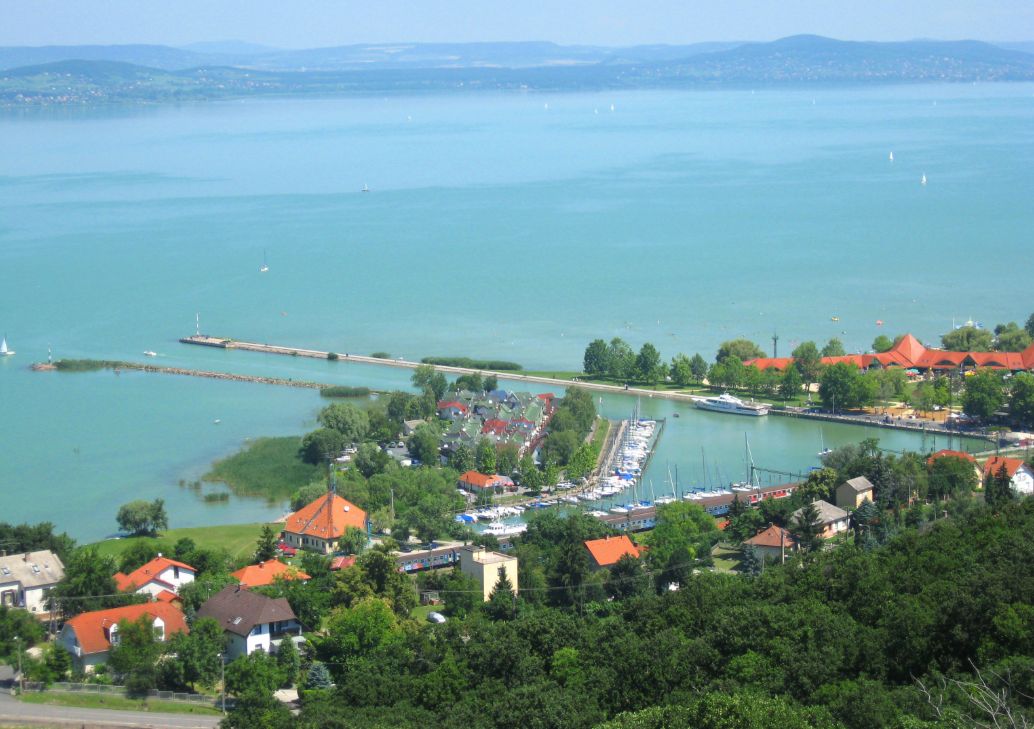
Lake Balaton, often called the “Hungarian Sea,” is one of Central Europe’s most inviting freshwater escapes, blending wide blue views with wine hills, historic towns, and relaxed beach life. For visitors, it can feel like a compact resort region where you choose your own pace: quiet spa towns, family‑friendly beaches, or lively summer nightlife.
Why Lake Balaton Is So Special
Lake Balaton is the largest lake in Central Europe and stretches around 77 km across western Hungary, with a surface that shimmers in soft turquoise tones on sunny days. Its shallow depth in many areas keeps the water pleasantly warm in summer, which makes it especially popular with families and casual swimmers.
Locals often describe Balaton as the country’s “inland sea,” and each shore has its own personality: the flatter, more resort‑style south coast and the hillier, more wine‑focused north coast. Even a short stay gives you a sense of Hungarian holiday culture, from open‑air concerts and lakeside promenades to simple beach bars serving fried fish and local wine.
Getting There from Budapest
Reaching Lake Balaton from Budapest is straightforward, which is one reason it works so well as an add‑on to a city break. Most travellers choose between train, bus, or car depending on their budget and preferred town.
-
By train: direct trains leave regularly from Budapest‑Déli (and some from Keleti) for major Balaton towns. Approximate journey times are about 1.5 hours to Siófok on the south shore, 1 hour 45 minutes to Balatonfüred on the north shore, and 2–3 hours to Keszthely at the western end.
-
By bus: regional buses also connect Budapest with popular resorts and may be more convenient for smaller towns or out‑of‑the‑way villages.
-
By car: driving from Budapest typically takes 1–2 hours depending on your destination and traffic, using the M7 motorway toward the southwest.
Once you arrive, trains and buses run along much of the shoreline, and many visitors also explore using bicycles on the well‑marked Balaton Bike Ring.
North Shore vs South Shore
One of your first decisions is which side of the lake to use as your base, because the overall “feel” is quite different.
South Shore: Classic Resorts and Shallow Beaches
The south shore is known for its long, shallow beaches and traditional holiday towns.
-
Siófok is often described as the “capital” of Lake Balaton, famous for its nightlife, busy waterfront, and a broad choice of hotels and apartments.
-
Balatonlelle and Balatonboglár are popular with families, offering renovated beaches, promenades, playgrounds, and summer wine or music festivals.
-
The shallow water here warms quickly and stays knee‑deep for some distance, which is ideal for children and non‑confident swimmers.
If you imagine beach clubs, boat parties, and long evenings in lakeside bars, the south shore may fit your style best.
North Shore: Wine Hills, Culture and Views
The north shore feels more scenic and varied, with volcanic hills, vineyards, and historic towns.
-
Balatonfüred is a classic spa town with an elegant promenade (the Tagore Promenade), old villas, cafés, and a marina.
-
Tihany Peninsula is one of the lake’s icons, known for its Benedictine abbey, lavender fields, and panoramic views from the hilltop.
-
Badacsony and surrounding villages form a major wine region, where volcanic soils produce mineral‑rich white wines and terraces overlook the lake.
-
Keszthely, at the western end, combines beaches with the baroque Festetics Palace and museums, giving a more “lived‑in” small‑town feel.
Here, lake life blends with hiking, wine tastings, and heritage sights, making it appealing if you want more than just beach time.
Best Places to Visit Around the Lake
Because the shoreline is dotted with towns and villages, you can build an itinerary that mixes several locations.
Tihany Peninsula
Tihany is perhaps the single most photogenic spot at Lake Balaton. A narrow peninsula extends into the lake, with steep hills covered in trees, vineyards, and lavender fields.
-
The Tihany Abbey, originally founded in 1055, stands high above the water and is one of the most recognisable landmarks in the region.
-
In summer, fields of lavender bloom, and a dedicated lavender museum and local shops sell scented oils, soaps, and small gifts.
-
Short hikes around Echo Hill and the inner lake offer panoramic views of the open water and the surrounding countryside.
A ferry links Tihany on the north shore with Szántód on the south shore, so it is also a convenient crossing point if you are touring with a car or bicycle.
Balatonfüred
Balatonfüred preserves an elegant, old‑world spa atmosphere while still feeling lively in summer.
-
The Tagore Promenade runs for over a kilometre along the lake, lined with plane trees, cafés, ice‑cream stands, and moored sailboats.
-
Historic villas and cultural venues such as the Vaszary Villa host exhibitions and events, especially in the warmer months.
-
Beaches and marinas offer opportunities for swimming, sailing, and evening strolls.
Balatonfüred works well as a base if you want a mix of easy transport connections, restaurant choice, and access to the Tihany Peninsula.
Badacsony and the Wine Villages
Badacsony and its neighbouring hills form one of Hungary’s most recognisable wine landscapes. Volcanic basalt slopes rise directly from the lakeshore, creating dramatic silhouettes and fertile soils for vineyards.
-
Wineries and wine terraces dot the hillside, many with open‑air tasting decks and panoramic views.
-
Local specialties include crisp white wines such as olaszrizling and blends that showcase the mineral character of the soil.
-
Hiking paths lead up to viewpoints and small chapels, rewarding you with wide‑open views across the entire lake.
Even a half‑day excursion to Badacsony can add a memorable food‑and‑wine dimension to a beach‑based stay.
Keszthely and the Western End
At the western tip of Lake Balaton, Keszthely combines history and lake access in a compact town.
-
Festetics Palace, a grand baroque residence, features period rooms, a library, and formal gardens that take 2–3 hours to explore.
-
The town’s main street and lakefront feel more “local” than resort‑only, with cafés and shops serving both residents and visitors.
-
Nearby Hévíz is famous for its thermal lake and year‑round wellness hotels, making this corner of Balaton especially attractive outside the main summer season.
For travellers who enjoy culture and spa experiences as much as swimming, the Keszthely–Hévíz area is a strong choice.
Activities: From Beaches to Bikes and Boats
Lake Balaton offers far more than just lying in the sun, although there is plenty of that too.
-
Swimming and beaches: designated “strands” (paid public beaches) in almost every town offer changing cabins, grassy sunbathing areas, playgrounds, and snack bars.
-
Sailing and water sports: the lake is popular for sailing, kayaking, paddleboarding, and small boat rentals, particularly around Balatonfüred and Siófok.
-
Cycling: the 210 km Balaton Bike Ring lets you circle the entire lake, and many sections are gentle enough for casual riders.
-
Festivals: summer brings wine festivals, music events, and local fairs, such as Balatonboglár’s wine festival in August.
-
Day trips and nature: visit smaller spots like Balatonederics, Balatonföldvár, or Balatonlelle for quieter promenades, chapels with views, and local markets.
Whether you stay active or keep things relaxed, the region tends to feel easygoing and family‑friendly.
When to Visit and What to Expect
Most visitors come between late spring and early autumn, but each season at Lake Balaton has its own character.
-
Summer (June–August): warm water, busy beaches, festivals, and nightlife; also the most crowded and expensive period, especially in Siófok and Balatonfüred.
-
Shoulder seasons (May, September): milder weather, fewer crowds, and lower accommodation prices; great for hiking, cycling, and wine tasting.
-
Winter: the lake is quiet, but spa towns like Hévíz and some hotels in Balatonfüred and Keszthely stay open, focusing on wellness and relaxation.
Rain and storms can appear quickly in summer, so flexible plans and a light jacket are useful, but most days still offer plenty of sunshine hours.
Practical Tips for Visitors
A bit of planning helps you make the most of your Balaton stay.
-
Accommodation: options range from simple guesthouses and camping to modern hotels and lakeside apartments; booking ahead in July and August is strongly recommended.
-
Getting around: regional trains and buses connect many towns, and renting a bike gives you extra freedom for short hops along the shore.
-
Food and drink: try local fish dishes, lángos (fried dough with toppings), and regional wines from Badacsony, Csopak, or Balatonfüred.
-
Language and payment: English is widely understood in tourist areas, and card payment is accepted in most restaurants, hotels, and larger beach facilities.
For many travellers, Lake Balaton feels like discovering a softer side of Hungary after the grand architecture and busy streets of Budapest. Whether you come for a few days of swimming or a longer loop around the wine hills and spa towns, the lake’s combination of scenery, culture, and relaxed atmosphere tends to leave a lasting impression.