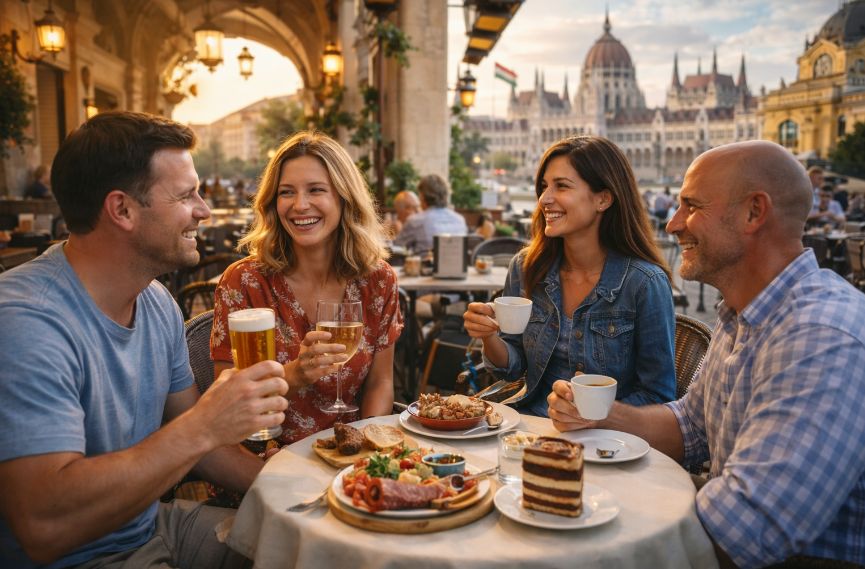
Many Americans with Hungarian roots choose to reclaim Hungarian citizenship and relocate because it offers a powerful mix of emotional belonging, legal advantages in Europe, and a more balanced lifestyle in Budapest and beyond. When cultural heritage, practical benefits, and quality of life align, Hungary stops being just “the old country” and becomes a realistic, attractive new home.
Reclaiming Identity and Heritage
For many second‑ or third‑generation Americans, Hungarian citizenship is first and foremost about reconnecting with family history and identity. Grandparents’ stories of pre‑war Budapest, rural villages, or life before emigration often plant the seed of curiosity that grows into a desire to return in a more permanent way.
Dual citizenship allows them to turn that emotional connection into something tangible: a passport, a legal status, and a sense of belonging in a country they may have only visited on holidays. It validates their roots, opens the door to language learning, and makes it easier to participate in traditions, festivals, and family gatherings that feel more “real” on Hungarian soil.
Legal Benefits and EU Freedom
One of the biggest practical motivations is the legal power of an EU passport. Hungarian citizens can live, work, and study not only in Hungary but across the entire European Union without needing visas or complex residence permits.
For Americans with Hungarian ancestry, that means:
-
The right to live and work in Hungary long‑term without immigration stress.
-
Freedom to move to other EU countries later if opportunities arise.
-
Easier access to local healthcare, education, and social services.
Because both the US and Hungary allow dual citizenship, most people do not have to give up their American passport to gain these advantages, which makes the decision far less risky.
Simplified Citizenship by Descent
Another reason many Hungarian‑Americans follow through is that the legal path is clearly defined and relatively accessible if they can prove their ancestry. Hungary’s “simplified naturalisation” procedure for people of Hungarian descent does not demand long years of residence in the country.
Typically, eligible applicants:
-
Show direct lineage from a Hungarian citizen or someone from historic Hungarian territories.
-
Collect documents such as birth and marriage certificates, old passports, or church records.
-
Demonstrate basic Hungarian language skills in an interview.
Because the process is structured and both countries tolerate dual nationality, the barrier to acquiring Hungarian citizenship is more psychological and bureaucratic than legal.
Budapest’s Lifestyle and Cost of Living
Once citizenship is secure, the next question is where to live—and Budapest almost always sits at the top of the list. Compared to major US cities, Budapest often offers:
-
Lower housing costs and rent for centrally located apartments.
-
Affordable public transport, with trams, buses, and metro covering the whole city.
-
Everyday expenses—restaurants, cafés, entertainment—that feel manageable on a medium income.
For Hungarian‑Americans, this cost structure can make it realistic to enjoy a city‑center lifestyle they may not be able to afford in the US, while still having easy access to international travel from Budapest’s growing airport.
Work, Study, and Business Opportunities
Hungarian citizenship also makes it simpler to plug into the local economy and the broader EU job market. Budapest has been attracting multinational companies in tech, finance, and shared services, which creates English‑friendly roles alongside traditional Hungarian workplaces.
Many returnees and descendants use their dual cultural background as an asset:
-
Working for international firms that value English and cross‑cultural skills.
-
Launching small businesses aimed at tourists, expats, or online clients.
-
Studying at Hungarian or European universities with local fees instead of international rates.
Citizenship removes visa uncertainty, allowing them to plan careers and investments with a longer time horizon in mind.
Family, Children, and Long‑Term Stability
A powerful reason many Americans with Hungarian roots relocate is family life. Some move to be closer to elderly relatives, others to raise children in a more family‑centric environment with strong grandparent involvement.
Several factors stand out:
-
The chance to give children a bilingual, bicultural upbringing in an EU country.
-
Access to public education and healthcare as local citizens.
-
The possibility of more predictable financial planning thanks to lower housing costs in parts of Hungary.
Many returnees mention that they appreciate the sense of stability, social ties, and slower pace of childhood in Hungary compared to their experience in the US.
Emotional Pull: From Nostalgia to Everyday Life
For some, the relocation decision grows from memories of summer visits, home‑cooked Hungarian food, or stories told around the family table. The emotional pull deepens when they discover they can transform occasional trips into a full‑time life.
Moving back to Budapest or to the region of their ancestors often feels like closing a generational circle:
-
Walking past streets or churches that appear in old family photos.
-
Visiting ancestral villages and connecting with distant relatives.
-
Seeing their surname on mailboxes, shops, or historical records.
The feeling of “coming home” can be surprisingly strong, even for those born and raised in the US.
Community, Belonging, and Diaspora Networks
Hungarian‑Americans who relocate rarely arrive alone in a social sense. They step into overlapping networks: local Hungarian communities, expat groups, and diaspora organizations that help them integrate.
In Budapest, they often find:
-
Lively expat circles with other Americans, Europeans, and global professionals.
-
Hungarian‑American associations, language groups, and cultural clubs.
-
Informal support networks for housing, paperwork, and everyday life.
This mix of familiarity and novelty makes it easier to balance their American mindset with Hungarian habits, without feeling isolated.
Cultural Fit and Quality of Life
Many who relocate highlight lifestyle factors that go beyond money or legal status. Budapest offers a very different daily rhythm from large American cities:
-
Walkable neighborhoods with cafés, small shops, and historic architecture.
-
Thermal baths, parks, and riverside promenades woven into everyday life.
-
A strong café and cultural scene—concerts, galleries, festivals—within easy reach.
For Hungarian‑Americans, these elements combine with familiar traditions (food, holidays, family gatherings) to create a lifestyle that feels both new and ancestrally rooted.
Security of a “Plan B”
Some Americans with Hungarian roots apply for citizenship and explore relocation not only as a dream but also as a strategic backup plan. Political polarization, healthcare concerns, or economic insecurity at home push them to look for options that broaden their family’s long‑term security.
A second citizenship in an EU country offers:
-
The ability to relocate quickly if circumstances change.
-
More flexibility in retirement planning, including the option of lower living costs.
-
A smoother path for future generations to live or study in Europe.
Hungary becomes not just a nostalgic destination, but a practical safety net.
Overcoming Language and Bureaucracy
Of course, relocating is not without challenges. Hungarian is a difficult language, and navigating local paperwork can test anyone’s patience. However, for Hungarian‑Americans, citizenship softens many obstacles.
They often:
-
Rely on English in international workplaces and expat circles while learning Hungarian gradually.
-
Use law firms or specialist agencies that assist with citizenship and residence formalities.
-
Lean on local relatives or diaspora contacts to interpret, translate, and advise.
Because their status is that of citizens rather than foreign residents, they can take their time adjusting, knowing they have the legal right to stay.
Why Budapest Becomes the Natural Base
Even when family roots lie in rural areas or former Hungarian territories, Budapest often emerges as the practical and emotional center of a new life. It offers:
-
More job opportunities and international connections.
-
Easier day‑to‑day living without a car, thanks to public transport.
-
A blend of modern amenities with recognizably Hungarian culture.
From there, returnees can explore the rest of the country—Lake Balaton, wine regions, small towns—while still enjoying the vibrancy and connectivity of the capital.
From Ancestry to Everyday Reality
In the end, Americans with Hungarian roots who decide to obtain citizenship and move to Budapest are driven by a combination of heart and head. They are drawn by stories and heritage, but they stay for stability, opportunity, and a way of life that feels sustainable and meaningful.
Hungarian citizenship turns distant ancestry into everyday reality: walking across the Chain Bridge on a weekday evening, visiting relatives on weekends, enrolling children in local schools, or building a business in an EU capital that still remembers their grandparents’ generation.
For many, the decision is not about rejecting the United States, but about expanding what “home” can mean. Budapest and Hungary offer them a place where the past and future meet—where old family stories finally gain a present‑tense address.