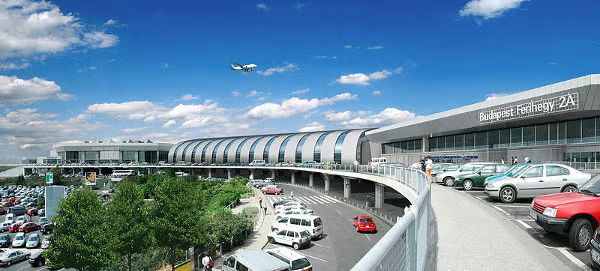
Few European destinations combine cultural grace, architectural splendor, and health-conscious innovation quite like Budapest. As Hungary’s capital continues to grow its global reputation for wellness, aesthetics, and affordability, its airport — Budapest Ferenc Liszt International Airport — is fast becoming a symbol of this transformation. Once a compact Central European travel corridor, it has evolved into a world-class gateway connecting Europe, North America, and Asia, redefining what travelers can expect from their first steps into Hungary.
2026 marks an especially exciting time for this transformation. With brand-new direct flights opening between Budapest and key cities in the United States and Canada, travelers can now reach the city’s heart without layovers — a milestone that will undoubtedly elevate Budapest’s global tourism and medical travel profile.
A Modern European Gateway with Soul
Budapest Airport (IATA: BUD) stands roughly 16 kilometers southeast of the city center, yet it feels intimately connected with the rhythm of downtown life. Unlike many EU capitals where the airport experience can be overwhelming or detached, Budapest’s airport strikes a careful balance between efficiency and warmth. It has undergone a steady process of modernization while preserving the human touch that visitors often associate with Hungarian hospitality.
In recent years, BUD has seen major upgrades in its infrastructure — expanded terminals, enhanced digital wayfinding, and improved passenger services. The airport now rivals larger hubs in efficiency, yet retains a boutique atmosphere. Frequent flyers describe it as an airport that feels “big enough to be global, yet small enough to be personal.”
The ambiance is further enhanced by the subtle influence of Hungarian art and design across the terminals. Murals inspired by Budapest’s thermal baths, architectural motifs, and Danube bridges create a sense of place long before travelers step into the city itself. Even its retail and dining choices reflect the cultural mix — blending global brands with authentically Hungarian cafés, local wines, and craft goods that hint at the sophistication awaiting outside its doors.
2026: A Landmark Year for Transatlantic Connectivity
The announcement that 2026 would bring nonstop flights between Budapest and major North American cities such as New York, Toronto, and Chicago electrified both the tourism and business communities. For years, visitors from the US and Canada had to make at least one European stopover — often in Frankfurt, London, or Amsterdam. The new direct routes remove that barrier completely, transforming Budapest from a regional gateway into a major continental hub.
These flights are not just a matter of convenience; they represent a symbolic milestone. They signal that Budapest is no longer an “emerging” destination but a fully established one. In fact, Hungary’s national tourism body predicts a double-digit increase in arrivals from North America between 2026 and 2027 — growth that will spill across sectors ranging from wellness to gastronomy and real estate.
Travelers are already taking note. With an approximate flight time of 9 to 10 hours from the Eastern US and just over 8 from major Canadian hubs, exploring Budapest now feels significantly more accessible. Whether it’s a long-weekend escape to Europe’s famous thermal spas or a longer stay for health treatments, wellness retreats, or cultural exploration, air connectivity now places Hungary clearly on the North American traveler’s map.
A Smooth Arrival: Efficiency Meets Warmth
Landing at Budapest Airport delivers a first impression of calm organization — something seasoned travelers know isn’t always the norm in international aviation. The airport’s Terminal 2A and 2B handle both Schengen and non-Schengen flights, and with the growth in long-haul services, the facility has evolved to meet the demands of global passengers. Modern self-service kiosks, biometric boarding gates, and intuitive transfer procedures streamline the process.
Yet, despite the digital upgrades, BUD hasn’t lost its distinctively human touch. The staff are known for their attentiveness, multilingual skills (English, German, and increasingly French and Italian), and willingness to assist visitors unfamiliar with the local systems. This makes the airport particularly comfortable for elderly travelers and those arriving for medical or wellness purposes, where ease of mobility is essential.
The ground transport options echo this balance of modernity and simplicity. Efficient airport shuttles connect directly to the city center, taxis operate at fixed official rates, and the recently expanded airport–Nyugati Railway line offers a fast, scenic train ride that introduces visitors to the Hungarian landscape even before they reach the capital.
Design and Comfort: Hungary’s Sense of Place in Motion
If airports are the new global cathedrals — where cultures cross, and architecture becomes experience — then Budapest Airport exemplifies this beautifully. Its design integrates light, space, and function in a distinctly Hungarian way. Natural sunlight filters across high glass ceilings, highlighting artworks inspired by Budapest’s UNESCO-listed landmarks.
Lounge access options have improved significantly in recent years. The SkyCourt building, connecting the two main terminals, serves as the airport’s modern centerpiece. Here, travelers can relax between connecting flights, enjoy a taste of goulash or Tokaji wine, or browse local designer stores. Additional business lounges cater to remote workers and premium passengers, offering quiet zones and amenities typical of larger global airports.
Even beyond the lounges, thoughtful touches make a difference — free, fast Wi-Fi throughout the terminal, charging stations at nearly every gate, and designated quiet areas for rest and reflection. The experience feels curated rather than commercialized, giving each traveler a glimpse of Budapest’s laid-back sophistication.
The Wellness Traveler’s Gateway
Budapest has long been known as the City of Spas, and with healthcare tourism booming, BUD Airport has subtly adapted to serve that audience. The airport’s information desks and digital kiosks now include details about local health and spa destinations — from restorative dental and aesthetic clinics to luxury wellness resorts.
The proximity of many medical tourism hubs to the airport — neighborhoods like Zugló or nearby wellness zones in Buda — means travelers arriving for treatment can transition seamlessly from the terminal to their clinic or hotel. Many international medical coordinators based in Budapest even provide VIP transfers directly from the arrivals hall, including assistance with luggage and documentation.
For North American patients seeking cosmetic surgery, dental care, fertility treatments, or orthopedic procedures, these developments reduce both logistical friction and travel stress. With the new direct flights, it’s now possible to leave New York on a Thursday evening, land in Budapest on Friday morning, and have a preliminary consultation that same day.
The draw, of course, goes beyond convenience. Hungary offers medical professionalism that matches Western European standards but at a fraction of the cost. Many clinics feature English-speaking doctors trained in Germany or the UK, and accreditation is increasingly tied to international bodies. For travelers seeking a balance of science and serenity — a place to heal while surrounded by beauty — Budapest is emerging as one of Europe’s top medical tourism capitals.
Culinary and Lifestyle First Impressions
Airports often introduce travelers to a destination’s culinary culture before they even reach the city, and BUD does this exceptionally well. Whether you’re sampling a light Hungarian pastry with espresso at Café Frei or exploring a glass of crisp Tokaji Furmint in one of the SkyCourt bars, you begin to feel Budapest’s rhythm — unhurried, flavorful, and grounded in tradition.
Local food brands take center stage throughout the terminals. Artisanal chocolatiers, paprika souvenir shops, and craft bakeries coexist with familiar international names. This coexistence mirrors Budapest’s identity itself: worldly yet proudly rooted in Hungarian culture.
As lifestyle travel gains traction, this connection between local food, art, and culture becomes essential. Budapest Airport has leaned into it cleverly, positioning itself not just as an air terminal, but as the first lifestyle experience in a journey through Hungary. Even its cleanliness and moderation of ambient noise — often overlooked details — reinforce the sense of calm many wellness travelers seek.
Inside-Out Accessibility and Eco Vision
Budapest Airport’s sustainability strategy also deserves credit. While not yet as large as Scandinavian eco-hubs, the airport has adopted forward-looking initiatives aligned with the Airport Carbon Accreditation (ACA) program. From energy-efficient lighting and waste separation systems to green-roof installations and electric ground vehicles, the environmental commitment is visible at nearly every level of operation.
The airport’s accessibility extends beyond physical mobility. BUD has introduced wayfinding tools designed for visually impaired travelers, tactile paths, and low-check-in counters. Its aim is not only compliance with EU accessibility standards but hospitality by design — an inclusive spirit matching Budapest’s image as a caring, rejuvenating city.
For eco-conscious travelers arriving from North America, this commitment to sustainability aligns well with broader trends toward green medical tourism — seeking health treatments in destinations that also champion environmental responsibility.
Strategic Position: Europe’s Healing Crossroads
Historically, Budapest’s location at the crossroads of Western and Eastern Europe has shaped its cultural identity. Today, that same geographic advantage is empowering it to become a strategic wellness and conference travel hub.
Budapest Airport’s central position makes it easy to connect not only to other Hungarian regions but to neighboring capitals like Vienna, Bratislava, and Prague — all within a few hours by air or rail. For business travelers or medical tourists combining procedures with short city breaks, this connectivity adds immense value. It’s now common for visitors to schedule a treatment, spend recovery time in nearby spa towns such as Hévíz or Eger, and then continue onward to another European destination.
The airport’s vision ties closely to this interconnectivity. Ongoing expansions under the Budapest Airport Development Plan 2030 include additional runways, a logistics hub, and a dedicated long-haul terminal. These efforts will help address the rising number of international arrivals and create new employment opportunities across the tourism and healthcare industries.
A Human-Centric Approach: Hungarian Hospitality in Flight
Perhaps what distinguishes Budapest Airport most from other major European gateways is the tone of interaction. Passengers often remark that even amid efficiency, there’s space for politeness — a kind word from a customs officer, a patient gate agent helping with directions, or staff offering local recommendations. Hungary’s long tradition of welcoming visitors shines through.
In comparison to massive transfer hubs, where travelers feel processed rather than greeted, BUD feels manageable and personal. It welcomes not just tourists and business executives but also individuals traveling for family, rehabilitation, or recovery. The airport’s medical assistance services are exemplary — staff are trained to handle travelers with limited mobility or immediate medical needs, making it a reliable entry point for those pursuing medical treatments.
This emphasis on empathy and care complements the country’s healthcare culture at large. In a sense, Budapest Airport functions as an ambassador for Hungary’s reputation for wellness — a place where the journey toward restoration begins not at the clinic, but the very moment one lands.
Beyond Transit: The Airport as an Experience
Budapest Airport has cultivated more than an operational excellence — it delivers an experiential narrative. One enters through glass corridors echoing with Hungarian light, walks past exhibits celebrating aviation history, then exits to a horizon lined with green hills leading toward the Danube. It’s a rare airport that invites you to pause and look around.
The airport has invested in temporary art installations and pop-up exhibitions, collaborating with local designers and creative students. Seasonal displays celebrate everything from folk traditions to contemporary Hungarian fashion, reinforcing the vibrant cultural life that defines Budapest itself.
Family facilities further highlight this sense of place. Dedicated children’s play areas feature ergonomic furniture and safe interactive corners designed with eco-friendly materials. Breastfeeding rooms, prayer spaces, and soundproof conference pods showcase the airport’s attention to diverse traveler needs.
The Future Is Taking Off
The next few years will likely see Budapest Airport’s role expand exponentially. Implementing the Budapest Connect initiative, the airport aims to integrate digital services such as pre-bookable ride-sharing, multilingual AI translation kiosks, and tailored visitor recommendations connected directly to Hungary’s tourism board database.
For airlines and travelers alike, these upgrades signal Budapest’s commitment to staying ahead of the curve, capable of competing with Europe’s most advanced airports while maintaining the boutique essence that makes it distinctive.
More importantly, with direct flights bridging North America and Central Europe, medical institutions across Budapest are expecting a notable rise in international clientele. Hospitals, private clinics, and spa resorts have already begun updating websites and adding English- and French-language support to meet the demand. This cross-Atlantic bridge promises not only financial growth but cultural and healthcare exchange at a new level.
Final Thoughts: Where Travel Meets Transformation
Budapest Liszt Ferenc Airport, much like the city it serves, represents a crossroads — between heritage and progress, function and style, leisure and healing. For travelers arriving on the new 2026 direct flights from the US and Canada, it will serve as both a convenient entry and a subtle prelude to Hungary’s timeless balance between elegance and vitality.
Whether you come for a few restorative days in one of the city’s legendary thermal baths, a transformative medical procedure, or simply to taste a city where music, architecture, and wellbeing intersect, Budapest Airport is no longer just an arrival point. It’s the first step into an experience where travel itself feels rejuvenating.
Budapest is ready for the world, and now — with open skies across the Atlantic and a renewed commitment to seamless wellness travel — the world is finally ready for Budapest.